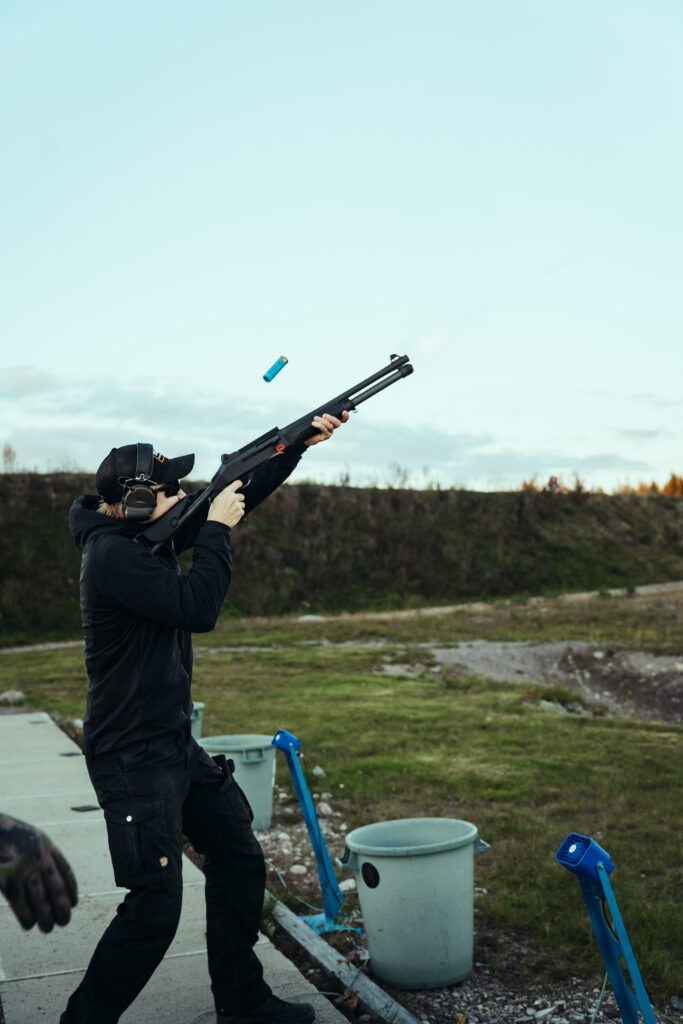
The security and tactical side is interesting, but it’s also sensitive. If the style slips, the result easily looks too much like an ad. Good content looks strong, but stays controlled and clean. Trust is what you are selling here, and it comes from how the work looks.
What this field’s content is after
Often the goal is one of these:
- The credibility of the product or service
- Durability, functionality, details
- A professional feel without too much explaining
- Field conditions handled in a controlled way
- A brand that looks premium and technical
In this environment, the small things decide. Light, rhythm and framing make a big difference.
How to shoot it so it doesn’t look cheap
These principles usually work here:
- Clear scenes and sharp images
- Details, materials, mechanisms, the feel of use
- Controlled movements without constant handheld spray
- Darker and more contrasty light that still isn’t gloomy
- A real situation rather than posing
A shot list framework that’s used a lot
If you want a fast and sure framework, it often goes like this:
- The brand and the environment
- The first clear shot of the product or service, without overdoing it
- Use and action from different angles
- Close-ups of details and materials
- Reliability, people, team, process
- An ending with a clear feeling and a small breath
The same framework works for products, services and training, when you adapt it.
Where this content is usually used
- Websites and sales
- LinkedIn and corporate communications
- Recruitment and employer image
- International partners and resellers
- Campaigns that raise the brand
When you also make short channel versions from the material, it starts to live in everyday use.